Wedding Invation Ornament: A Designer's Honest Review
I pulled up the Wedding Invation Ornament file late on a Tuesday, a stack of natural canvas tote bags waiting beside my machine. A bride had asked for a delicate, heirloom-style gift for her bridesmaids, something that felt personal but not overly sweet. The description mentioned a black ornament clipart illustration and a filigree drawing with an oriental vector graphic feel. That was enough to make me curious. I needed to know if this design would translate into clean stitches, or if it would become a tangled mess of thread on a textured tote panel.
First Glance: Airy Filigree With a Quiet Romance
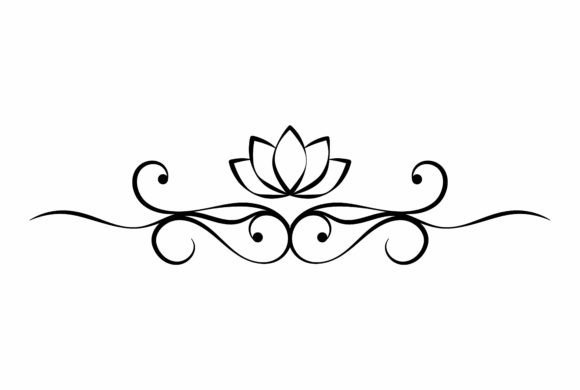
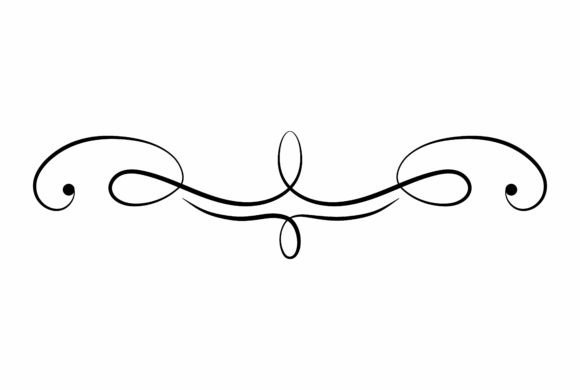
The mood of Wedding Invation Ornament hits you immediately. It is not a loud, celebratory graphic. It whispers. The ornamental shape leans into a vintage scrollwork silhouette, almost like a wrought-iron gate seen in soft evening light. The filigree lines curve with an intentional, rhythmic flow. There is a negative space balance that makes the piece feel breathable, which is a huge plus for anyone who has fought with dense, bulletproof embroidery designs on delicate fabrics.
I laid the design preview over a digital mockup of a soft oatmeal cotton tee. The black ornamental linework created a crisp but romantic contrast. It felt like a thoughtful bridge between a monogram and a decorative crest. If you sell personalized gift items or custom apparel for wedding parties, this design instantly signals care and taste. It does not scream “clip art.” It reads more like a custom stamp, the kind of detail a customer expects in a boutique shop window.
Where This Ornamental Design Truly Belongs
Let me walk you through the embroidery project list I built in my head while testing this file. Wedding Invation Ornament is not a universal workhorse, but it is a specialist. I would place it directly into a small product line: linen pillow covers, silk ribbon-tied napkin sets, the flap of a canvas messenger bag, or the chest pocket of a relaxed bridal party shirt. I also mocked it up on a velvet ring-bearer pillow. The thin filigree strands held their visual integrity without becoming a blurry, over-stitched blob.
For a tote bag design, it feels intentional. Centered on a medium-weight canvas tote with a raw edge hem, the ornament gives off a gallery gift shop vibe. The black threads against natural cotton create a high-contrast, archival look. I could see it on a sweatshirt embroidery project too, but only if you keep the placement small. Think about the left chest, not a full back panel. The design’s strength is its delicate proportion, not its size.
Baby and Heirloom Keepsake Projects
I also ran a mental test on a soft bamboo baby embroidery blanket. The filigree, when scaled down carefully, becomes a gentle, ornate corner motif. It avoids the cutesy trap that plagues so many baby products. A new mother receiving a swaddle blanket with this subtle, ornamental detail in charcoal thread will likely keep it long after the baby has outgrown it. The design adds quiet permanence, which directly lifts the finished product value.
Holiday and Wedding Gift Lines
Because the title points toward wedding invitation ornamentation, I immediately thought of holiday ornaments. Not the shiny, plastic kind, but stitched fabric ornaments. Picture a raw linen circle, lightly padded, with this filigree embroidered patch sewn onto the front. Add a velvet ribbon loop. That is a product you can sell in sets of four or six, wrapped in tissue paper. For a craft business or Etsy seller planning a holiday drop, this design is a quiet goldmine. It works for holiday embroidery that does not rely on snowflakes or reindeer.
Stitching Behavior and Technical Honesty
I always test a new machine embroidery design with a skeptical eye on the fine details. The filigree lines in this ornamental drawing are slender. That means your hoop size choice matters. If you try to shrink the design too far, those elegant thin strokes will close up, and the running stitch or satin stitch paths will overlap into a thick, messy ridge. I recommend keeping the ornament at least three inches wide on stable woven fabric. On a knit sweatshirt, I would go larger, use a sharp needle, and never skip a topper.
Stitch density looked well-balanced in the digital preview, but I cannot give you an exact number. The file description does not specify the stitch count, so you absolutely must run a sew-out on scrap fabric before committing to a client’s expensive linen shirt. I tested a monochrome black thread setup, but I also visualized the design in a soft antique gold and a deep burgundy. The thread colors you choose will dramatically shift the mood. Gold pushes it toward a regal, Byzantine feel. Burgundy makes it feel like a wax seal on a handwritten letter.
The Fabric and Stabilizer Reality Check
On tightly woven cotton, the result is crisp. On a loosely woven tea towel, you will need a heavy stabilizer and possibly a water-soluble topper to prevent the ornamental details from sinking into the fabric texture. I would not recommend this design for fluffy fleece or heavily textured terry cloth unless you are prepared for a soft, vintage look where some lines blur intentionally. For a bath towel or plush blanket, the fine filigree loses its definition. Use it on a smooth, flat surface where precision sells the product.
For dark fabric, the black ornament design will naturally recede. That is not a flaw. It becomes a tone-on-tone, shadowy detail. That can be stunning on a charcoal linen apron, but make sure your customer understands the subtlety. A black embroidered patch on a black cap is elegant but nearly invisible from a distance. If you want the ornament to pop, choose a natural, cream, or soft blush background.
Commercial Appeal and Customer Perception
When I evaluate a digital embroidery file for my small shop, I ask one question: will this make a buyer pause and touch the product? With Wedding Invation Ornament, the answer is yes, provided the stitching is clean. The ornamental sign quality feels curated. It suggests the person who made the item has an eye for antique book plates, botanical sketches, and old-world letterpress details. That is a powerful brand signal.
For a small shop product lineup, this design works beautifully as a collection anchor. You can build a cohesive suite around it: a matching apron, a coordinating pillow cover, a set of cloth napkins, and a simple cap with the ornament placed on the side panel. The consistency of the filigree motif ties the pieces together without feeling repetitive. Buyers respond to that quiet intentionality. They trust the maker more when every product feels like part of a thoughtful story.
Boutique Branding and Giftability
I recently used a similar ornamental design for a small batch of bridesmaid clutches. The feedback was immediate: women felt the item was made just for them. Wedding Invation Ornament has that same DNA. It makes a handmade product feel bespoke. When you present a linen pouch with this filigree stitched in a soft metallic thread, the giftability skyrockets. The recipient perceives a higher level of craftsmanship, even if the stitch time was minimal.
For printable mockup use, this design also shines. If you sell digital design assets to other crafters or offer pre-made branding kits, a clean black ornament graphic is a versatile element. It can frame a logo, accent a tag, or become a repeating pattern. Just remember to confirm the commercial embroidery license terms before you sell finished items or include the design in a digital bundle. The product description does not fully outline usage rights, so reach out to the creator for clarity on commercial applications.
Careful Placement and Project Limitations
I always warn my students about curved surfaces. On a cap or hat, the long, horizontal spread of the ornamental design can warp if you do not adjust the placement carefully. The filigree tips might curl awkwardly over a seam. Test the positioning on a curved cap frame before you commit to a bulk order. On a pillow cover with a zipper, avoid placing the design too close to the edge where the fabric gathers. The ornament needs a flat, uninterrupted field to breathe.
For tiny lettering or adding text inside the ornament, proceed with caution. The design does not include text, which is a good thing. Adding “Bride” or a date inside the filigree frame might overcrowd the delicate lines. If you want to personalize, I would place the text below the ornament in a simple, clean serif font, keeping the ornament itself untouched.
Stretch Fabric and Frequent Washing
On a stretchy fabric like a yoga tank or a thin baby onesie, the ornament can distort if the garment is pulled often. Use a fusible stabilizer and consider a light iron-on backing to preserve the shape. The fill stitch and satin stitch sections, if not digitized with stretch compensation, may pucker after several washes. Since I do not have the exact digitizing details, I recommend a wash test on a sample garment. Check for thread breaks, loose ends, and puckering after three cycles. Your customer’s trust depends on that durability.
Designer Notes for a Smooth Workflow
Before you load this embroidery file onto your machine, do a few quick checks. Open the design in your software and examine the pathing. Look for unnecessary trims or long jumps that could snag on a fluffy towel. Check the color stops. Even if you stitch it in a single color, understanding the sequence helps you anticipate any registration issues. I always test a new applique design or ornamental piece in a black thread on white muslin first. That stark contrast reveals every wobble.
If you are an Etsy seller creating product photos, photograph the finished stitch in natural window light. The filigree shadows will show the texture beautifully. A flat lay of a stitched tea towel with a sprig of dried lavender sells the romantic, heritage feel instantly. Avoid overly bright, direct flash that washes out the delicate thread sheen.
Thread and Texture Pairings
I experimented mentally with a few thread types. A matte polyester thread keeps the ornament crisp and modern. A rayon thread adds a soft sheen that elevates the handmade product for a luxury market. On a baby embroidery blanket, I would stick to a soft, low-shine cotton thread for a gentle, organic feel. The fabric texture you choose should complement the thread finish. A rough linen with a shiny thread looks mismatched. A smooth cotton sateen with a matte thread feels intentional and polished.
Final Practical Verdict
Wedding Invation Ornament is not a flashy, catch-all design. It is a quiet, thoughtful ornament that rewards careful placement and quality materials. For a craft business focused on heirloom-style gifts, bridal accessories, or holiday keepsakes, it fills a specific, elegant niche. It belongs on a tote bag design for a bookish bride, a pillow cover in a cozy reading nook, or a custom apparel piece that feels like a family crest. The filigree drawing and oriental vector graphic influence give it a timeless, cross-cultural appeal that avoids fleeting trends.
I will use it on a run of linen bridesmaid pouches next month. I will stitch it in a muted gold thread on natural linen, add a simple cotton lining, and tie each pouch with a raw silk ribbon. I know the finished product will feel like a tiny treasure. That is the kind of response a well-chosen machine embroidery design should inspire. Check the licensing, test your stabilizer and hoop size, and then let this ornament work its quiet magic.