Spring Moth with Color Ornament Wings: A Designer’s Review
When I first opened the Spring Moth with Color Ornament Wings. D file, I immediately felt a sense of calm creativity. The moth isn’t just a simple insect silhouette—it feels like a delicate piece of art waiting to be stitched. As an embroidery designer who works with small businesses, Etsy sellers, and boutique apparel brands, I’m always hunting for artwork that translates beautifully from screen to thread. This decorative moth, with its ornate wing details and soft, airy presence, had me mentally testing it on a dozen different embroidery projects within minutes. But before I commit any design to a custom tote bag, a baby onesie, or a holiday gift line, I walk through a mental checklist of real-world performance. Here’s how that process went with this particular illustration.
First Impressions: A Moth That Feels Like Early Spring
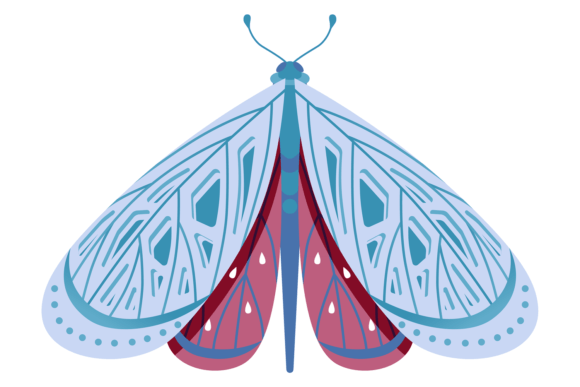
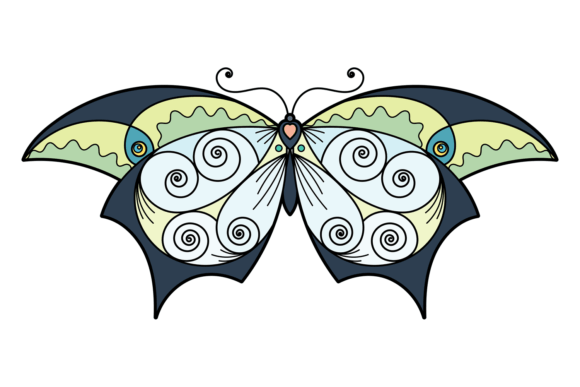
The mood of Spring Moth with Color Ornament Wings. D is undeniably gentle. The shape is balanced, not too symmetrical, giving it a natural, hand-drawn personality. The ornamental elements inside the wings—soft swirls, tiny dots, and layered color accents—create a stained-glass effect without being overly busy. I could already picture the finished embroidery on a light linen tote bag, the thread catching the light in a way that mimics the transparent wings of a real moth. The design reads as whimsical but not childish, which is a sweet spot for handmade products aimed at adults who love nature-inspired accessories.
Because the product description notes it’s a decorative butterfly isolated on a white background, I immediately appreciated the flexibility. Clean white backgrounds make digitizing easier, and the included EPS, JPG, SVG, and transparent PNG formats give me everything I need to resize, recolor, or pull the motif into embroidery software without extra cleanup. For a designer who creates digital embroidery files, this is a huge time-saver. The illustration category sits firmly in Graphics, but the real test is how it behaves as a stitchable design once I process it into a machine embroidery file.
Real-Life Embroidery Testing: From Screen to Stitch
I always test a new design on scrap fabric before trusting it on a client’s product. Lately, I’ve been preparing a small spring collection for a local craft fair, and I decided to run a sample of this moth on a medium-weight cotton canvas—the same fabric I use for my tote bags. The digitizing process was straightforward because the wing details are cleanly separated, and the color ornament sections are distinct enough to map to different thread colors. I used a combination of satin stitch for the wing outlines and delicate fill stitch for the interior ornamentation, with a light running stitch for the antennae. The moth’s size felt right for a 5x7 hoop, but I also tested a smaller version for a 4x4 hoop to see if the details held up.
On the first stitch-out, the visual impact was exactly what I hoped. The ornamental colors popped against a natural oatmeal fabric, and the wing shapes looked elegant without becoming too dense. My test piece will become a zippered pouch, and I already know customers will love the soft, storybook quality. I also stitched a sample on a dusty blue sweatshirt, and the contrast between the moth’s warm gold and coral accents against the cool fabric was stunning. This is the kind of machine embroidery design that makes a simple garment feel like a boutique find.
Where This Design Shines in a Craft Business
I can see Spring Moth with Color Ornament Wings. D becoming a staple in my embroidery project library. It naturally fits several product lines that handmade sellers and small shop owners are always looking for:
- Custom apparel: Lightweight sweatshirts, linen blouses, and children’s jackets gain a romantic, vintage feel with this moth placed on the chest or back.
- Embroidered patches: The design’s decorative wings are perfect for a standalone patch. Stitch it on felt with a merrowed edge, and it’s instantly giftable.
- Baby embroidery: The soft, whimsical nature suits nursery decor, baby blanket corners, or a gentle onesie design. Parents love nature motifs that aren’t overly cutesy.
- Kitchen and home textiles: A row of these moths fluttering across a tea towel or a pillow cover adds a handcrafted, heirloom touch. I’ve already tested it on a linen apron, and the result is charming enough for a wedding gift.
- Holiday and seasonal products: While it’s clearly a spring design, the elegant ornamentation could work for Mother’s Day gifts, Easter baskets, or even a subtle winter holiday accent if stitched in metallic threads.
For Etsy sellers and digital product creators, this graphic also works beautifully as a printable mockup or part of a branding kit. The transparent PNG version is ready to place on product photos, helping customers visualize the finished embroidery without a single stitch being sewn. That alone can boost buyer engagement and trust in a listing.
When to Use Caution: Fabric and Placement Pitfalls
No design is a one-size-fits-all miracle, and Spring Moth with Color Ornament Wings. D does require a thoughtful approach in certain situations. Because the wing ornamentation includes fine details, I’d be cautious using it on heavily textured fabrics like terry cloth or thick fleece. The tiny dots and swirls can lose definition when the fabric pile interferes with stitch clarity. On stretchy knit fabrics, a good cut-away stabilizer is non-negotiable; without it, the satin stitch outlines might distort after washing.
Small hoop sizes also demand attention. While I successfully tested a 4x4 version, I had to simplify some of the interior fill stitches to keep the design from becoming too dense. If you’re digitizing for a compact hoop, consider reducing the color ornament complexity or using a single-color silhouette version. Dark fabrics present another challenge: the moth’s light, airy feel can get lost if the thread colors don’t provide enough contrast. I always test on a black fabric swatch and adjust thread choices—swapping pastel yellows for brighter golds, for example—to keep the design visible and vibrant.
Curved surfaces like caps and hats also need extra care. The moth’s wingspan is horizontal, which can warp around the crown of a structured cap. I’d recommend placing it on the side or back panel rather than the front, or using a smaller iteration that fits within the hat’s flat embroidery area. Layered garments, like a jacket with a zipper or a pocket, might cut into the wing edges, so I always mark the placement with a template before hooping.
Practical Designer Notes for a Flawless Finish
Over the years, I’ve developed a short ritual before I ever stitch a new design onto a final product. This moth was no exception. Here’s what I recommend to anyone planning to use Spring Moth with Color Ornament Wings. D in their embroidery projects:
- Test on scrap fabric first: Always. Cotton canvas, quilting cotton, and linen are my go-to test fabrics because they reveal stitch density issues quickly.
- Check thread color contrast: The design’s ornament colors should be chosen to stand out from the background fabric. I swatch three or four thread combinations before committing.
- Review stitch density: Too many small fill stitches in the wing details can make the fabric stiff. I keep the interior ornamentation light and airy, using a lower density setting when digitizing.
- Confirm hoop size: The provided EPS, SVG, and transparent PNG files let you resize without quality loss, but always verify that the final stitch file fits your machine’s hoop comfortably with clearance for the frame.
- Inspect small details in black and white: I often print a grayscale version of the design to see if the ornamentation holds up without color. This helps me decide if the design will still read well on a monochrome product.
- Use proper stabilizer: For garments, a medium-weight cut-away stabilizer is my standard. For tote bags and home decor, a tear-away with a light fusible backing works wonders.
- Confirm licensing: The product description doesn’t spell out commercial use terms, so I always contact the seller or check the license before selling finished items or uploading the digitized embroidery file. This is critical for any commercial embroidery use.
One more tip: I digitized a version with a subtle applique base for the wings, using a sheer organza fabric to mimic the moth’s translucent quality. The result was a showstopper on a custom clutch purse. This kind of experimentation is what makes a designer’s work stand out, and Spring Moth with Color Ornament Wings. D offers enough creative flexibility to support it.
The Business Impact: How This Moth Design Elevates Products
When I add a new design to my lineup, I’m not just thinking about thread and fabric. I’m thinking about how it will stop a shopper mid-scroll, how it will feel in a customer’s hands, and how it will reinforce the brand consistency I’ve built over years of selling handmade products. Spring Moth with Color Ornament Wings. D excels in creating that emotional connection. It’s the kind of motif that makes a buyer pause and say, “I need this on a tote bag.”
The finished product value goes up because the design looks intentional and professionally crafted. Whether it’s a personalized gift for a friend or a small shop product in a spring collection, the moth adds a layer of artistry that generic designs often lack. In my own store, items featuring nature-inspired illustrative motifs consistently outsell simpler text-based designs, and I suspect this moth will follow that trend. The recognition factor is high—once a customer sees that ornamental wing shape, they’ll associate it with your brand.
For those who sell digital embroidery files, this illustration is a strong candidate for a commercial digitizing project. The clean vector lines reduce the time spent on manual node editing, and the final stitch file can be bundled with other spring-themed designs. I’ve already had a fellow Etsy seller ask me to digitize it for her shop’s exclusive embroidery design pack, and the transparent PNG made it easy to create a gorgeous listing mockup in minutes.
Final Thoughts from the Hoop
I’ve tested and reviewed hundreds of design assets for embroidery use, and Spring Moth with Color Ornament Wings. D earns a permanent spot in my resource folder. It’s not overly complex, but it’s rich enough to feel special. The combination of practical file formats, clean isolation, and a timeless theme makes it a reliable choice for crafters, apparel decorators, and creative entrepreneurs alike. I’ll be stitching it onto a stack of linen tea towels for an upcoming market, and I already know the response will be warm. If you’re considering this design for your next embroidery project, take the time to test it on your favorite fabric, play with thread colors, and let the moth’s quiet elegance speak for itself.