Wedding Design Element: A Designer’s Honest Review
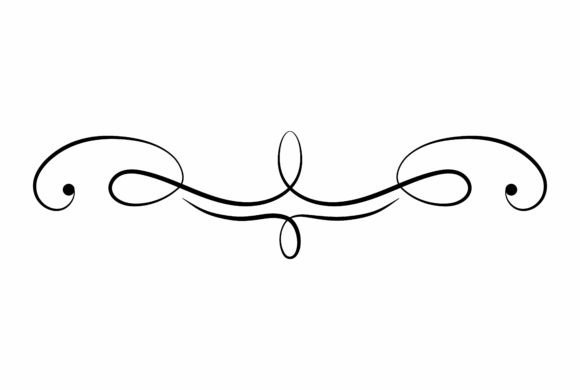
When I first opened the Wedding Design Element file, I immediately felt a quiet, old-world elegance. This isn’t a loud, trendy graphic. It’s a delicate black ornament clipart illustration that leans heavily into filigree detail. The mood is refined, almost heirloom-like, and my mind went straight to personalized wedding gifts, bespoke apparel, and those small shop products where a single decorative accent can define the entire piece. As an embroidery designer, I’m not just looking at a pretty picture—I’m mentally placing it on a tote bag, a velvet pillow cover, or the yoke of a linen apron. And this ornamental design sign, with its oriental vector graphic roots, holds a lot of quiet promise.
The Visual Personality of This Filigree Ornament
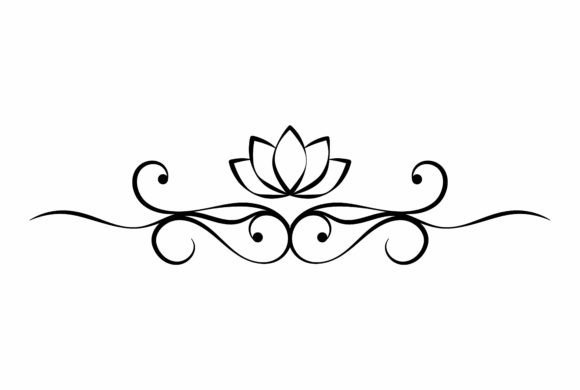
The Wedding Design Element reads as a highly detailed, symmetrical filigree drawing. The lines are precise, with a rhythmic flow that feels botanical and ornamental at the same time. It’s not a simple outline—there’s an interplay of thick and thin strokes that would translate beautifully into satin stitch and running stitch combinations. The black color in the original clipart suggests a strong contrast that embroidery designers often crave, but when you digitize it, you’ll need to decide whether to keep that monochrome drama or reduce it to a subtle tone-on-tone effect. From a craft business perspective, the design’s classic curvature makes it versatile: it could sit on a modern sweatshirt just as comfortably as on a vintage-style tea towel.
What I appreciate most is the restraint. Many filigree drawings become overly complicated, but this one keeps a balanced density. There’s enough open space to let the fabric breathe, which is crucial for stitch-friendly projects. If you’re selling finished goods on Etsy or at a craft fair, this kind of ornamental design sign adds a layer of perceived value without screaming for attention. It whispers quality, and customers notice that.
Where This Design Shines in Real Embroidery Work
I’m currently preparing a set of custom embroidered tote bags for a bridal shower, and the Wedding Design Element is exactly the kind of accent I’d test on the front pocket. Picture it: a natural linen tote, a single-thread color in a warm gold or soft ivory, and this intricate filigree drawing centered just above the hem. The result would be a personalized gift that feels curated rather than mass-produced. That’s the power of a well-chosen ornamental vector graphic.
Beyond tote bags, I see this design working beautifully on:
- Custom apparel — the back of a denim jacket, a sweatshirt cuff, or a small placement on a crewneck collar.
- Pillow covers — especially in velvet or linen, where the stitch texture contrasts with the fabric.
- Kitchen towels and aprons — a single ornamental element elevates a humble kitchen item into a boutique staple.
- Baby embroidery — surprising but true: a scaled-down version on a muslin blanket or a nursery pillow adds a touch of timeless charm.
- Embroidered patches — the design’s defined edges lend themselves to patch-making for hats, caps, and bags.
For holiday embroidery, I’d shift the thread color to a deep red or metallic, and suddenly this same design becomes a Christmas ornament motif. That adaptability is what makes a digital embroidery file like this a smart addition to a small shop product lineup.
Testing the Wedding Design Element on Different Fabrics
Before you commit to a final project, the real test is always fabric. The Wedding Design Element has delicate, sweeping lines that can fight against textured surfaces. I’d avoid heavy terry cloth or loosely woven burlap unless you’re ready to simplify the stitch file. On smooth cottons, linen, and even lightweight canvas, the detail should hold up well. But here’s a real-life scenario: I once placed a similar filigree design on a dark navy sweatshirt, and the thin lines almost disappeared because I hadn’t tested the thread contrast properly. Learn from my mistake. On dark fabric, use a lighter thread or opt for a slightly bolder stitch width to maintain clarity.
Stretchy fabrics like jersey or ribbed knit demand extra care. The Wedding Design Element’s ornamental geometry can distort if the fabric shifts, so a good cutaway stabilizer is non-negotiable. For thin fabrics like voile or silk, a tear-away stabilizer might be enough, but I’d always run a test on scrap first. One thing this design teaches you: stitch density matters. If the digitizer packs too many stitches into those tiny filigree intersections, the fabric can pucker or even tear. I recommend checking the design in a black-and-white printout to see if any areas feel overcrowded before you ever hoop up.
Practical Embroidery Notes for a Flawless Finish
After years of testing digital embroidery files, I’ve learned that the difference between a good handmade product and a great one comes down to a few practical checks. Here’s what I’d do with the Wedding Design Element before using it in a commercial embroidery project:
- Test on scrap fabric — always. Use the same fabric, stabilizer, and thread combination you plan for the final piece.
- Check thread color contrast — the original black ornament clipart is intense, but your thread choice can soften or sharpen the whole look. Try a charcoal thread on ivory linen for a rustic wedding feel, or keep it crisp black on white for a modern edge.
- Review stitch density — if the design is supplied as an embroidery file, examine the stitch points. Dense satin columns can look lumpy on lightweight fabrics. A good digitizer will adjust fill stitch and running stitch lengths to match the scale.
- Confirm hoop size — the listing doesn’t specify dimensions, so measure the design in your software. A 4x4 inch hoop might be too small for the full ornament; you may need a 5x7 or larger. Scaling down is possible, but tiny details could close up.
- Inspect small details — those filigree loops and tapered ends need to be at least 1mm wide in the stitch file to avoid thread breaks. If the original vector graphic has lines thinner than that, a skilled digitizer will need to slightly simplify them.
- Test on both light and dark backgrounds — the same design stitched in white on navy will look completely different from black on cream. Run a quick stitch-out on both to see which pops best for your brand.
- Wash and wear test — if you’re selling embroidered aprons or tote bags, put the finished product through a gentle wash cycle. Look for any thread loosening or distortion. This builds customer trust when you can honestly say the item is made to last.
- Check licensing — before you sell personalized products or list the item on Etsy, confirm whether the Wedding Design Element comes with a commercial embroidery license. Some graphic files are only for personal use unless you purchase an extended license. This is critical for your craft business.
How This Ornamental Graphic Affects Your Brand
When you’re building a handmade product line, every design asset you choose contributes to your brand consistency. The Wedding Design Element has a timeless, slightly oriental feel that sets a very specific tone. If your shop already leans toward boho, romantic, or vintage-inspired aesthetics, this filigree drawing will slot right in. It can become a signature motif—something your customers recognize across your tea towels, baby blankets, and custom apparel. That kind of visual recognition strengthens buyer engagement and sets you apart in a crowded marketplace.
For digital product sellers, this ornamental design sign also works beautifully in printable mockups and design assets. You could use it to create a styled preview for a custom embroidery listing, showing potential buyers exactly how the final product might look. Just be transparent that the mockup features a vector graphic that will be embroidered, not a photo of the actual stitch-out. That honesty builds trust.
Final Thoughts Before You Stitch
The Wedding Design Element is a quiet, elegant filigree drawing that deserves a considered touch. It’s not a grab-and-go design for every project, but when placed intentionally on the right fabric with the right thread, it can transform a simple item into a personalized gift that feels luxurious. I’d use it for a wedding keepsake, a boutique apron, or a limited-edition sweatshirt collection. The oriental vector graphic roots give it a hint of the exotic, while the black ornament clipart simplicity keeps it grounded.
Before you invest your time in a full production run, test the design on your chosen fabric, confirm the licensing, and run a stitch-out on a scrap of the exact material you’ll be selling. If the file is supplied as a vector, you’ll need to digitize it carefully or hire a professional. The result, though, can be a handmade product that carries a story—and in this business, that’s everything.