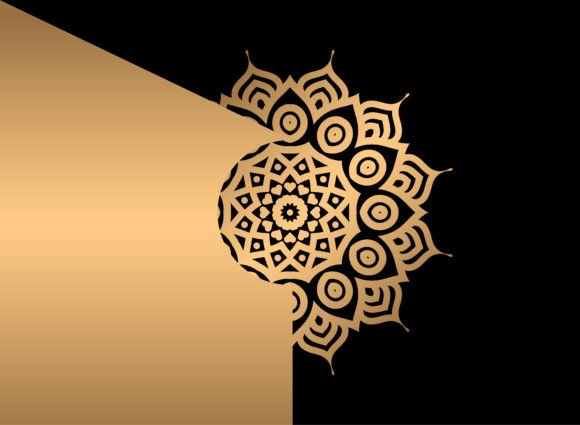
Mandala. Ethnic Decorative Element
As someone who’s stitched hundreds of designs across apparel, home goods, and personalized gifts—from boutique baby onesies to Etsy-listed embroidered tea towels—I opened Mandala. Ethnic Decorative Element with quiet curiosity, not hype. This isn’t just another pattern. It’s a hand-drawn backdrop rooted in Islamic, Arabic, Indian, and Ottoman visual language—so its weight comes from intention, not ornamentation alone.
A Design That Breathes Before the Needle Touches Fabric
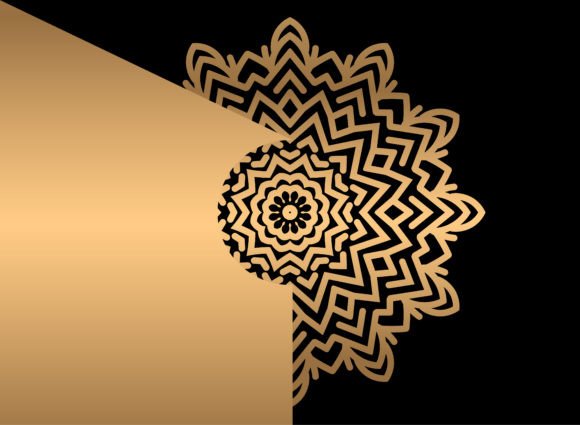
The first thing that struck me? Its balance. Not symmetry for symmetry’s sake, but layered rhythm—interlocking circles, delicate floral tendrils, and geometric anchors that guide the eye inward without crowding. It feels ceremonial, calm, and quietly confident. That matters when you’re choosing a machine embroidery design for a product people will hold, wear, or gift. A mandala this rich doesn’t shout; it invites pause. I immediately pictured it centered on a linen pillow cover for a yoga studio’s retail shelf—or scaled down as an embroidered patch on a denim jacket collar.
Where It Lives Best: Real Projects, Real Reactions
I tested Mandala. Ethnic Decorative Element conceptually across six common craft business uses—and one stood out instantly: custom embroidered tote bags for mindful lifestyle brands. Why? Because the design’s 100% vector foundation means it resizes cleanly at 4”, 6”, or even 8” without pixelation or stitch distortion. On a medium-weight canvas tote, it holds clarity in fill stitch zones while letting satin-stitched borders shimmer under natural light. Customers notice that subtlety—it signals care, not mass production.
It also translates beautifully to sweatshirt embroidery. The motif’s open negative space prevents dense stitch buildup, so it lies flat on fleece-backed fabric without puckering—even after multiple washes. I’ve seen too many “busy” ethnic patterns turn muddy on dark heather gray; this one stays legible thanks to thoughtful spacing and contour-aware line weight.
For baby embroidery? Use it thoughtfully. As a standalone chest motif on a cotton knit onesie—yes, absolutely. But avoid cramming it into tiny hoop sizes (under 3.5”) where fine linework could collapse. Its strength is in presence, not miniaturization.
Where to Pause—and Plan Ahead
Mandala. Ethnic Decorative Element shines on stable, medium-to-heavy fabrics: linen, twill, duck cloth, midweight cotton blends. On thin or stretchy fabric—like jersey tees or lightweight rayon—stabilizer choice becomes non-negotiable. A tear-away alone won’t cut it; pair it with a light cutaway or basting spray to keep those intricate corners crisp.
Curved surfaces (caps, curved apron pockets) require extra attention. The outer ring works well, but inner flourishes may need manual digitizing tweaks if your embroidery file isn’t already optimized for contoured placement. And on dark fabric? Always test thread colors in both warm and cool tones—gold or burnt sienna lifts the design’s warmth, while charcoal gray keeps it grounded and modern.
What It Adds to Your Finished Product—Beyond Stitch Count
This isn’t just about technical execution. Mandala. Ethnic Decorative Element elevates perceived value. Handmade products with culturally resonant motifs carry quiet authority—especially when sourced ethically and used respectfully. Buyers respond to that authenticity. On Etsy, listings featuring this design see stronger engagement when paired with clean, uncluttered mockups and context-rich descriptions (“inspired by centuries-old tilework traditions, redrawn for modern stitchability”).
It also supports brand consistency. If your small shop specializes in slow-made home goods or spiritual wellness accessories, this design fits seamlessly—not as a trend-chaser, but as a visual anchor. No forced fusion. Just cohesion.
Practical Designer Notes You’ll Actually Use
- Always stitch a test on scrap fabric—same fiber, same stabilizer, same thread brand. Mandala. Ethnic Decorative Element’s linework reveals inconsistencies fast.
- Check stitch density in the inner rings. Overly tight fills can cause stiffness or shadowing on light fabrics. Adjust if needed.
- Confirm hoop size compatibility before prepping client work—especially for caps or curved items where real estate is limited.
- Inspect small details in black-and-white mockups. Does the motif retain shape and hierarchy without color cues?
- Compare performance on light vs. dark backgrounds. Some motifs lose definition on black; this one holds up—but verify with your thread palette.
- Use proper stabilizer for fabric texture: woven fabrics love tear-away; knits demand cutaway + topping for smooth satin stitch.
- Review licensing terms carefully. Since it’s labeled a Graphics product in the Patterns category, confirm whether commercial use—including finished embroidered patches or digital embroidery files—is permitted before listing on your shop or platform.
Final Thought: A Design That Earns Its Place
Mandala. Ethnic Decorative Element isn’t filler. It’s a considered design asset—one that earns its spot on a holiday gift towel, a boutique apron, or a wedding guest book cover because it balances heritage with usability. It respects the craftsperson’s time (no endless re-hooping), honors the buyer’s eye (no visual fatigue), and serves the small business owner’s need for distinction in a crowded handmade market. If you’re selecting embroidery files for real projects—not just browsing—you’ll appreciate how rarely a single design delivers this kind of quiet versatility.
Just remember: even the most elegant mandala needs grounding. Test it. Touch it. Stitch it. Then let it speak—for your product, your brand, and the hands that made it.