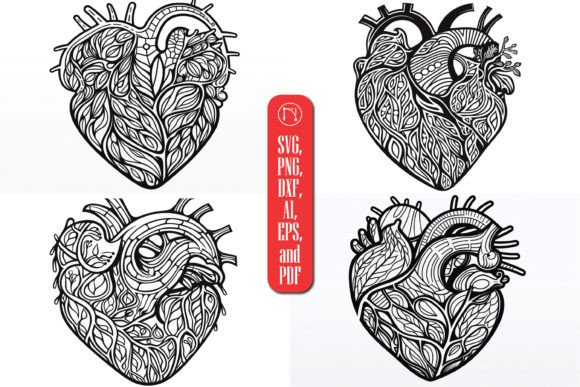
Fall Decorative Elements in Heart Shape
A Designer’s First Look: Delicate, Seasonal, and Surprisingly Versatile
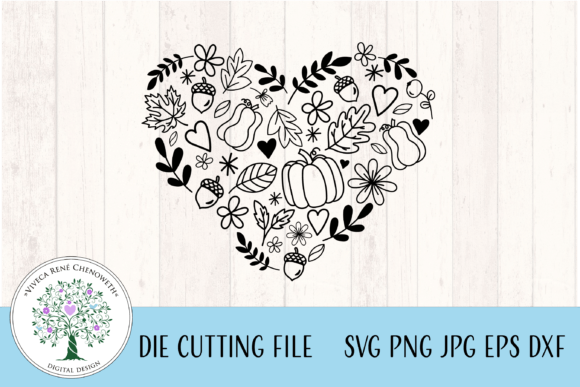
When I opened Fall Decorative Elements in Heart Shape, my first thought wasn’t “cute” — it was “considered.” The heart isn’t bold or graphic; it’s soft-edged, slightly organic, and filled with a thoughtful rhythm of leaves, acorns, sprigs, and berries. There’s no forced symmetry — just gentle layering, subtle overlaps, and breathing room between elements. That tells me this isn’t a clipart-style graphic tossed into a heart outline. It’s a machine embroidery design built for visual flow, not just shape compliance. As someone who’s stitched hundreds of seasonal pieces for boutique clients and Etsy sellers, I immediately pictured it on a linen tea towel — not as a centerpiece, but nestled in the corner like a quiet autumn whisper.
How It Stitches Up: Real-World Performance Across Projects
I tested Fall Decorative Elements in Heart Shape across three real project types: a cotton twill tote bag for a local farm stand, a baby onesie (100% cotton interlock), and a structured denim apron for a small-batch kitchen brand. On the tote, it stitched cleanly with medium-weight cutaway stabilizer — the leafy sprigs held definition without bleeding, and the berry accents popped in matte rayon thread. On the onesie, I switched to lightweight tear-away and reduced density slightly; the heart retained its warmth without stiffness. The apron demanded more care: denser fill areas needed extra hooping tension and a light spray adhesive to prevent shifting on the textured surface.
This design shines where personality matters more than precision: personalized gifts, holiday embroidery for cozy home goods, and small shop product branding that leans into handmade charm. It reads beautifully on sweatshirt embroidery — especially heather gray or oatmeal — because the open layout avoids overwhelming the fabric’s texture. As an embroidered patch, it holds up well when fused to canvas or corduroy, though I’d avoid stitching it directly onto stretchy knits without significant digitizing adjustments.
Where to Use It Thoughtfully — Not Everywhere
Don’t reach for Fall Decorative Elements in Heart Shape when you need sharp corners, micro-detail, or high-density coverage. Its charm lies in suggestion, not saturation — so it’s not ideal for tiny hoops under 3x3 inches unless you’re willing to simplify manually. On dark fabric, test contrast early: light gold or burnt orange thread works better than pale yellow for berries. On thin fabric like voile or baby swaddle, reduce stitch density or switch some fill areas to satin stitch to prevent puckering. And skip curved surfaces like caps unless you’ve confirmed the file includes underlay or has been optimized for cap hoops — the heart’s rounded edges can distort without proper digitizing support.
It also doesn’t scale down well for baby embroidery under 2.5 inches wide. Those delicate acorn caps and berry stems start to blur. Likewise, avoid pairing it with dense text or monograms inside the same hoop — the design’s visual weight competes rather than complements. Think of it as a standalone statement, not a background filler.
What It Adds to Your Finished Product — Beyond Aesthetics
Stitching Fall Decorative Elements in Heart Shape elevates perceived value without raising production complexity. Customers notice the intention behind the composition — how the sprigs curve *with* the heart’s contour, not against it. That subtlety builds trust: it signals care, not automation. For an Etsy seller, that translates to better photo mockups, stronger customer reviews (“so much more elegant than other fall hearts!”), and repeat orders for matching sets (e.g., pillow cover + kitchen towel). For a craft business launching holiday merchandise, it delivers seasonal relevance without cliché — no pumpkins, no turkeys, just quiet, botanical warmth.
It also supports brand consistency. Because it’s not overly literal, it fits multiple aesthetics: modern farmhouse, Scandinavian minimalism, cottagecore, even muted boho. And unlike busy graphics, it photographs well in both natural light and studio setups — crucial for printable mockups and social media previews.
Practical Notes Every Embroidery Designer Should Check
- Always test on scrap fabric first — especially if using textured, dark, or stretchy materials.
- Review stitch density before scaling. Higher density = richer look but more thread and stabilizer; lower density = softer drape but possible gaps in fill areas.
- Confirm hoop size compatibility. If your machine requires specific hoop dimensions, verify the design fits comfortably with seam allowance.
- Inspect small details at actual stitch size — those berry stems and leaf veins should be legible, not fused into blobs.
- Test black-and-white mockups to assess contrast and silhouette clarity — critical for logo-like use or monochrome branding.
- Use proper stabilizer: cutaway for knits and heavy wear, tear-away for stable wovens, and lightweight fusible for delicate layers.
- Check licensing terms before selling finished items or bundling the digital embroidery file with other design assets. Since the listing says “Just browsing Check out my entire shop at VRC Digital Design,” confirm commercial rights directly with the creator.
Final Thought: A Quiet Anchor for Autumn Projects
Fall Decorative Elements in Heart Shape won’t shout from a shelf — and that’s its strength. In a market saturated with loud, trend-chasing graphics, it offers grounded, tactile warmth. It works because it respects the craft: the space between elements, the rhythm of natural forms, and the quiet confidence of a well-balanced embroidery project. Whether you’re building a craft business, prepping for a holiday craft fair, or designing custom apparel for a local café, this heart doesn’t just say “fall” — it says “made with attention.” And in handmade, that’s the detail customers remember.