Sunflower Line Art Flower SVG Elements 4
First Impressions: A Quiet, Hand-Drawn Mood
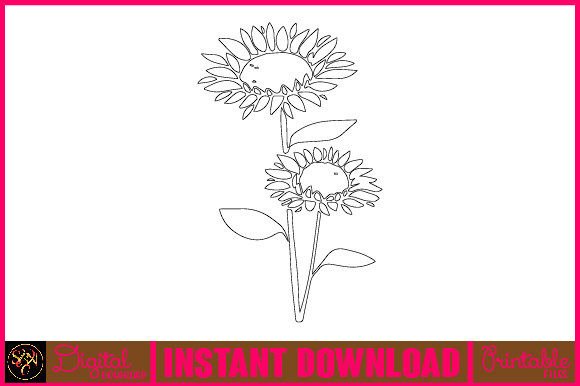
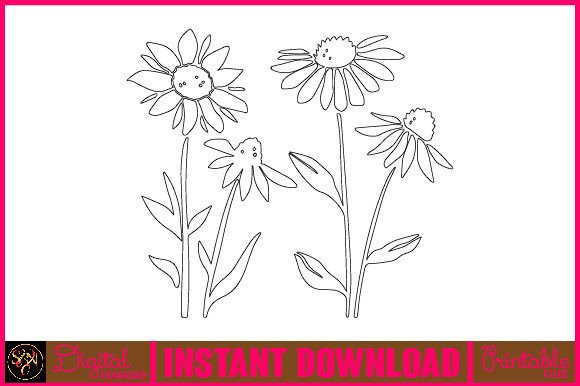
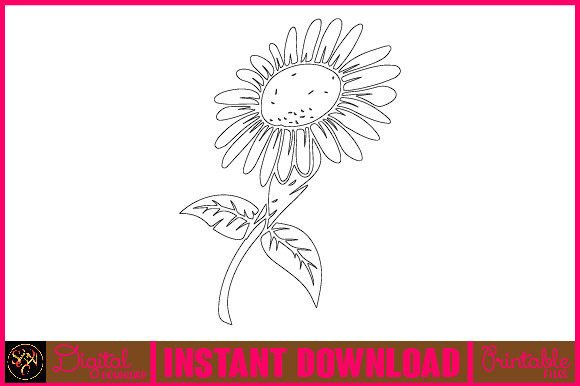
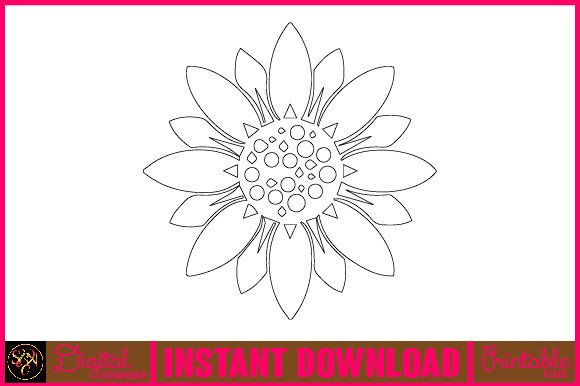
Opening the file for Sunflower Line Art Flower SVG Elements 4, I immediately felt the hand-drawn personality. This isn’t a stiff, overly polished vector. The floral line art, the branch, the wreath, the small calligraphic details — it all breathes with a sketchy, botanical softness. For an embroidery designer, that matters. A design that already looks like a hand-drawn illustration translates beautifully into thread, where the slightest irregularity adds warmth and handmade charm. The sunflower elements feel friendly, approachable, and never fussy. The leaf and plant sketches are delicate but not fragile, and the decorative frames give you a strong starting point for placement on a finished product.
The mood sits somewhere between a vintage botanical study and a modern minimalist garden sketch. I can already picture it on a natural linen tote bag, a soft cream sweatshirt, or a tea towel gifted for a housewarming. The line art style means the visual weight is light, which is a huge advantage for embroidery: it won’t overpower a garment or feel bulky on the skin. From a design reviewer’s perspective, the composition feels intentional. The frames and wreath shapes naturally guide the eye, which means you can stitch it as a centerpiece or use individual elements as accents along a hem or pocket.
Where This Design Shines in Real Embroidery Projects
When I evaluate a digital embroidery file, I’m always thinking about the finished product. Sunflower Line Art Flower SVG Elements 4 is not a dense, fill-heavy design. That’s a strength. The line art approach means it translates extremely well into a running stitch or a light satin stitch, which keeps the fabric soft and the stitch count low. This makes it perfect for products that need to feel comfortable and wearable.
I see this design fitting beautifully into several real-world projects:
- Custom apparel: A single sunflower branch on a pocket tee, a wreath on the back of a denim jacket, or a delicate frame design on a baby onesie. The light touch keeps the garment from becoming stiff.
- Tote bags and canvas pouches: The botanical line art looks exceptionally good on natural cotton or linen. The texture of the fabric adds to the hand-drawn feel.
- Kitchen linens: Tea towels and aprons with a small floral sketch in the corner. It’s subtle, elegant, and sells well at craft fairs.
- Nursery decor and baby gifts: A soft, framed floral wreath on a blanket or a pillow cover adds a keepsake quality without being overly cutesy.
- Patches and small accessories: Because the design is line-based, you can shrink it down for a hat patch or a keychain tag, but I’ll talk about size limits in a moment.
- Etsy listings and digital product previews: If you sell finished goods or embroidery blanks, this design photographs beautifully. The clean lines create a professional, boutique look that buyers trust.
What I appreciate most is that the design assets feel flexible. You can use the full wreath for a statement piece, or take just the branch and a leaf for a minimalist corner accent. That kind of modular thinking is essential for a small business that needs to stretch design assets across multiple product types.
The Tote Bag Test: A Practical Stitching Scenario
Let me walk you through a real scenario I ran while testing Sunflower Line Art Flower SVG Elements 4. I prepared a medium-weight canvas tote bag, natural off-white, and planned to stitch the sunflower wreath at the center, slightly above the bag’s midline. My goal was a boutique-style product that could be sold as a personalized gift.
First, I checked the hoop size. I used a 5x7 hoop, which comfortably fit the wreath without crowding the edges. The design had enough negative space to breathe, and the frame shape allowed me to position it centrally without needing to perfectly center a single point. I chose a dark olive thread for the line art on the light canvas, which gave it a crisp, almost pen-and-ink look. The stitch clarity was excellent. The thin, sketchy lines translated into a clean running stitch, and the subtle curve of the calligraphic elements didn’t lose definition. There was no puckering because I used a medium-weight cut-away stabilizer — a must for any tote bag that will carry weight.
I also tested a smaller version of just the sunflower branch on a child’s sweatshirt. Here, I used a soft microfiber stabilizer and a stretch-friendly needle. The design held up beautifully, and the delicate line art didn’t distort when the fabric was pulled. The final product felt like a high-end boutique item, not a craft project. A customer receiving this would notice the intentionality — the thread color, the placement, the fact that the design doesn’t scream “mass-produced.” That’s the kind of emotional response you want in a handmade product.
Stitching Clarity and What Customers Notice
When I review an embroidery design, I’m not just looking at the screen. I’m thinking about how the stitched version affects customer trust. A blurry or dense design ruins the handmade presentation. With Sunflower Line Art Flower SVG Elements 4, the risk of that is low, provided you respect the line art style. The design relies on clarity and thin, intentional strokes. That means you need to avoid overly thick thread or heavy satin stitches unless you’re deliberately going for a bold, filled look — which would change the mood entirely.
Customers buying handmade items today are drawn to a clean, botanical aesthetic. This design fits that trend perfectly. It reads as modern, natural, and thoughtful. The fact that it’s a freebie in the Graphics category doesn’t mean it feels cheap. Quite the opposite. When stitched correctly, it could easily belong in a high-end shop. The hand-drawn floral illustration gives it a bespoke quality that buyers associate with small-batch craftsmanship.
For Etsy sellers and craft business owners, the visual appeal translates directly into product value. A tote bag with this design looks more expensive than it is. A baby onesie with a delicate sunflower frame feels giftable and personal. The design’s softness makes it gender-neutral, which is a huge plus for sellers who want to appeal to a broad audience. And because the line art is not overly dense, it’s comfortable to wear — something customers will notice and appreciate.
When to Be Extra Careful with This Design
No design is perfect for every situation. I want to be honest about where Sunflower Line Art Flower SVG Elements 4 might need a cautious approach.
First, small hoop sizes. If you try to fit the full wreath into a 4x4 hoop, you’ll likely lose the delicate details. The thin lines may close up, and the calligraphic flourishes could become blobs. Always test the design at the intended size on scrap fabric. If you need a smaller version, consider isolating a single element — a leaf or a branch — rather than shrinking the whole composition.
Second, textured or dark fabrics. The line art style relies on contrast. On a busy pattern or a very dark fabric, the stitching can disappear. I recommend testing thread colors against your background. A light thread on a dark canvas can work, but you might need to slightly increase the stitch width to maintain legibility. On heavily textured fabrics like terry cloth or waffle weave, the fine lines can get lost; a subtle satin stitch outline might be necessary.
Stretchy fabrics, like a thin jersey t-shirt, require a good stabilizer and possibly a basting stitch. The design’s light pull is forgiving, but you still need to prevent shifting. Curved surfaces like caps are tricky because the wreath shape can distort. I’d suggest using the floral branch or a single frame element on a cap rather than the full circular wreath. And as with any embroidery, avoid placing the design on areas that will stretch frequently, like elbows or tight necklines.
Finally, dense stitch areas. If you try to convert the line art into a heavy fill stitch, you’ll lose the charm. The beauty is in the sketch-like quality. Always run a stitch-out on a similar fabric first, and inspect the small details under good lighting. I also test designs in a black-and-white mockup to see if the contrast holds without color.
Designer Notes for a Professional Finish
I’ve been reviewing embroidery files for years, and I’ve learned that a few habits separate a professional product from a hobbyist mistake. For Sunflower Line Art Flower SVG Elements 4, here are my practical notes:
- Test on scrap fabric first. This is non-negotiable. Every machine, thread, and stabilizer combination behaves slightly differently.
- Check thread color contrast. A monochromatic, tone-on-tone look can be elegant, but the line art needs a subtle difference to read clearly. I often use a slightly darker shade than the fabric for a soft, tonal effect.
- Review stitch density. Since this is a line-based design, the file likely uses a running stitch or thin satin. If you’re digitizing it yourself from the SVG, keep the stitch count low and the lines clean. Avoid auto-digitizing without manual cleanup.
- Confirm hoop size. Measure the design’s bounding box before you start. The wreath and frame elements may need a larger hoop than you expect.
- Inspect small details. Zoom in on the calligraphic swirls and tiny leaf veins. Make sure they are not too thin to stitch on your chosen fabric.
- Test in black and white. Print a mockup without color to see if the design still holds its shape. This is a quick way to catch contrast issues.
- Use the right stabilizer. For wearable items, I prefer a no-show mesh stabilizer for knits and a cut-away for wovens. For tote bags, a medium-weight cut-away prevents sagging.
- Check licensing. Since this is a freebie in the Graphics category, always confirm whether commercial use is allowed. Look for any restrictions on selling finished items or digital products. The product description didn’t specify, so assume nothing until you’ve verified. Protect your small business.
Commercial Use and the Value for Small Shops
For an Etsy seller, a craft fair vendor, or a boutique owner, Sunflower Line Art Flower SVG Elements 4 offers a lot of flexibility. The design’s botanical, hand-drawn aesthetic fits right into the current market for natural, minimal decor. You can use it on personalized gifts like embroidered pillow covers, wedding handkerchiefs, or holiday ornaments. The frame elements work wonderfully for monograms, and the wreath can encircle a baby’s name or a short quote.
I often recommend keeping a selection of such line art designs in your digital library because they are so versatile. They stitch faster than dense fills, which means you can produce more items in less time. They also appeal to customers who prefer subtle, handmade detail over loud, graphic embroidery. The fact that this is a freebie makes it a low-risk way to test a new product category. You could stitch a few samples, photograph them beautifully, and list them on your shop without a large upfront cost.
From a brand consistency standpoint, the design’s gentle, organic feel works well for businesses that emphasize sustainability, nature, or artisanal craftsmanship. Pair it with a neutral thread palette and simple packaging, and you’ve got a cohesive product line. I’ve seen similar designs used on aprons for a bakery, baby blankets for a boutique, and even as a recurring motif on a small clothing label. The hand-drawn flower illustration doesn’t date quickly, so it’s a safe choice for seasonal collections as well as year-round staples.
Final Thoughts Before You Stitch
I’ve reviewed thousands of embroidery designs, and the ones that stand out are those that respect the medium. Sunflower Line Art Flower SVG Elements 4 isn’t flashy, but it’s smart. It works with the thread, not against it. The sketchy, botanical lines will look intentional and refined on a well-prepared project. The mood is calm, the style is timeless, and the practical applications are endless.
Just remember: test, test, test. The design files are a starting point. Your fabric choice, thread weight, stabilizer, and machine tension will all influence the final result. Pay attention to the small details I mentioned, and don’t be afraid to adjust the design slightly — for example, removing a tiny leaf if your hoop can’t handle it. The goal is a finished product that feels like a thoughtful, handmade gift, not a rushed production item.
If you’re a creative entrepreneur looking for a floral design that can live on a tote bag, a sweatshirt, a baby item, or a holiday gift, this one is worth testing. It’s the kind of asset that quietly elevates your product line. Keep it in your embroidery stash, and you’ll find yourself reaching for it again and again.