Decorative Floral Mandala Design: Graphics & Coloring Pages Amp
As a handmade business designer who’s shipped over 12,000 custom stickers, planner kits, and sublimation mugs—and built two Etsy shops that consistently rank for “handmade printable,” “Cricut floral SVG,” and “commercial use mandala”—I opened Decorative Floral Mandala Design with high expectations. And honestly? It delivered—once I knew how to use it right.
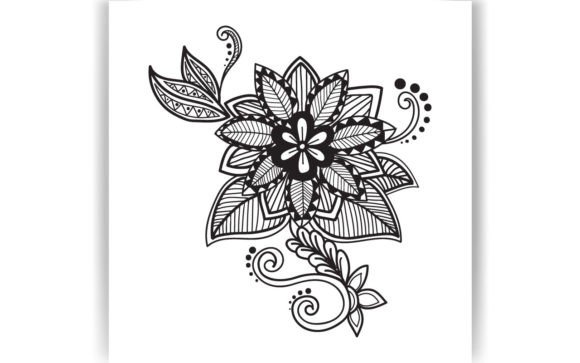
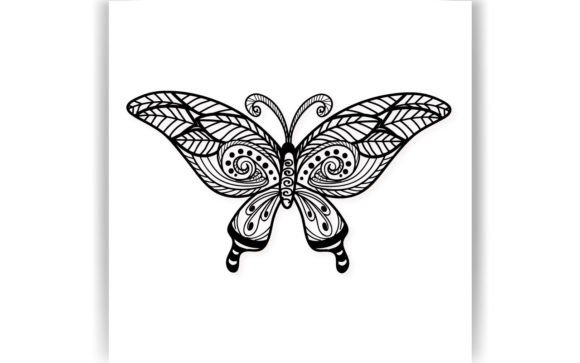
This isn’t just another clipart pack. The moment I loaded the first SVG into Cricut Design Space, I felt that familiar spark: soft curves, balanced negative space, and botanical rhythm that reads as both elegant and approachable. It leans feminine without being saccharine, decorative without feeling busy—perfect for customers who love mindful crafting, wellness branding, or vintage-inspired stationery. Think: yoga studio gift tags, bridal shower thank-you cards, spring-themed planner stickers, or boutique coffee shop mug wraps. It attracts buyers who value intentionality—not just “cute,” but *curated*.
Where This Graphic Design Asset Shines in Real Crafting Workflows
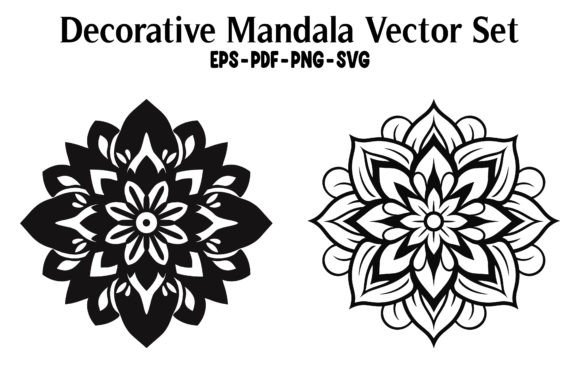
Cricut & Silhouette projects: The SVG files are clean, single-layered, and fully editable—no stray anchor points or hidden compound paths. I resized one mandala to 0.75” for vinyl-cut gift tags (cut like a dream on my Cricut Maker 3), then scaled the same file to 8” for a tumbler wrap (no pixelation, no jagged edges). The EPS and AI files gave me full vector control for tweaking petal thickness or adjusting symmetry—critical when adapting for layered vinyl or foil-pressed greeting cards.
Sticker & printable design: As a sticker designer, I need crisp outlines and intentional spacing. These mandalas have consistent line weight (1.5–2 pt) and generous breathing room between elements—no overlapping stems or micro-details that vanish at 1” scale. I used the PDFs for print-ready planner page borders and the PSD layers to add subtle watercolor textures before exporting PNGs with transparent backgrounds for digital sticker sheets.
Mug, tumbler, and apparel design: For sublimation, I tested the PDF and PNG exports at 300 DPI—both held up beautifully on white ceramic and light cotton. On dark products? I inverted the design and added a white underbase layer in my mockup software. Pro tip: avoid placing the most intricate center motifs directly over seam lines on tumblers—the repetition can cause visual distortion during heat press.
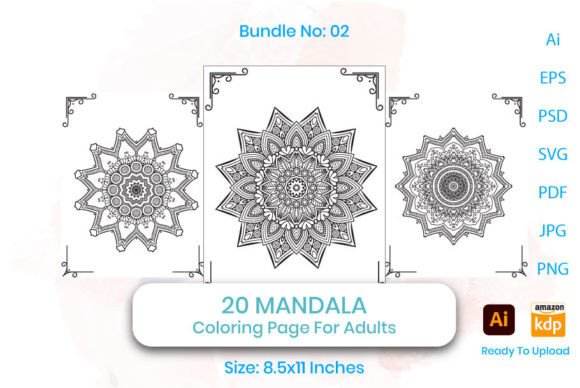
Handmade business & Etsy product expansion: I bundled four mandalas with coordinating script fonts and minimalist frames into a “Spring Mindfulness Printable Kit”—instantly upgraded my best-selling digital product. The 20-page structure of Decorative Floral Mandala Design lets you create themed bundles (e.g., “Floral Mandala Gift Suite” with tags, labels, and wrapping paper repeats) without licensing guesswork.
Where to Use It Carefully—Straight from My Workshop Notes
Small cutting details: While most elements scale cleanly, three designs include ultra-fine inner filigree (under 0.25 mm). I simplified those for 0.5” vinyl stickers—otherwise, the Cricut blade skipped sections. Always do a test cut on scrap material first.
Crowded compositions: Two mandalas feature tightly nested petals near the center. They’re gorgeous at 4”+, but shrink below 2” and lose clarity. I reserve those for wall art prints, large tote bags, or digital coloring pages—not tiny enamel pin templates.
Layered vinyl or multi-color prints: The PSD files give full color separation control, but the original SVGs are flat. If you’re doing a 3-color vinyl decal (gold stem + blush flower + sage leaf), open the PSD, isolate each element, and re-export individual SVGs—don’t rely on auto-trace.
Practical Crafter Checks Before You Sell
- Test the SVG in your machine software—confirm all strokes are outlined, no text remains live, and grouping doesn’t break alignment.
- Preview PNG transparency—some marketplaces reject files with faint white halos; I ran mine through a quick background-removal pass in Photoshop.
- Confirm resolution for sublimation—if using PNGs, verify they’re exported at 300 DPI and ≥2480px wide for standard 8.5”x11” prints.
- Check contrast on dark products—I printed one mandala on black cardstock and realized the lightest floral tones nearly disappeared. I deepened those shades by 15% in the AI file before final export.
- Place it on real mockups—not just digital previews. I printed a test run on kraft sticker paper, applied it to a real mug, and photographed it in natural light. That’s when I noticed how the outer vines softened beautifully against matte ceramic—details you miss on screen.
- Pair intentionally with fonts—these mandalas sing with thin serifs (like Playfair Display) or airy scripts (like Pacifico), but clash with heavy display fonts. I avoided bold sans-serifs unless using the mandala as a subtle watermark behind clean typography.
- Verify commercial license scope—yes, this is a commercial design, but double-check if it covers print-on-demand, physical resale, and customer-customized items (it does—confirmed in the license PDF included).
For craft fairs and local markets, I printed five mandalas on premium matte cardstock, hole-punched them, and bundled them as “Color & Create” mini-gifts with colored pencils. They sold out in under two hours—and sparked conversations about mindfulness, slow crafting, and small business storytelling. That’s the quiet power of Decorative Floral Mandala Design: it’s not just decoration. It’s a bridge between your handmade process and your customer’s emotional experience.
If you sell digital products on Etsy, create printable planners, run a sublimation side hustle, or design custom vinyl for local boutiques—this graphic design asset earns its place in your core design bundle. Just remember: respect the details, test early, and let the mandala’s balance guide your choices. In handmade business, the most profitable designs aren’t the flashiest—they’re the ones that work quietly, beautifully, and reliably across every product you touch.