Classic Ornament: A Graphics & Illustrations Review
Every seasoned digital seller knows the moment you open a new graphic design asset and immediately start calculating its product potential. That quiet mental checklist fires up. Can this work as a printable design? Would it hold up on a mug? How does it look scaled down for a sticker? That is exactly where I landed when I first pulled up Classic Ornament. The ornate black filigree visual has a distinct personality, and if you sell in creative marketplaces, you know personality moves product. But personality alone is not enough. You need versatility, clean lines, and a clear path to a finished commercial design.
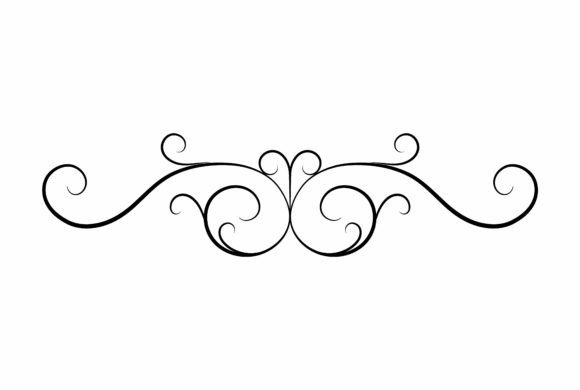
This is not a generic floral swirl. The ornament carries a deliberate ornamental structure, almost architectural in its symmetry, with a nod to oriental vector aesthetics. It reads as decorative line art with a refined, handcrafted presence. For anyone building a digital download shop around elegant ornamentation, vintage-inspired stationery, or ornamental branding, this illustration could fill a specific gap. The question is whether it delivers across the real product scenarios that matter to an Etsy product seller, a print-on-demand creator, or a Cricut user preparing a new design bundle.
First Impressions and Visual Personality
The immediate impression is one of controlled elegance. The black filigree drawing is dense enough to feel substantial, yet open enough to breathe on a product mockup. It is not cute, not rustic, and certainly not minimal. It leans into a classic ornamental tradition, reminiscent of engraved signage, heirloom invitations, and refined decorative arts. For a small business owner focused on the wedding stationery niche, the luxury packaging design space, or elevated home decor printables, this asset feels aligned from the start.
The oriental vector influence adds a layer of distinction. It is not a generic European damask. The curves and structural elements hint at a more deliberate, symbolic design language. That subtlety can become a selling point in a listing description, especially when you are positioning a product toward buyers who appreciate ornamental design with cultural depth. Still, the black silhouette style keeps it accessible. It does not overwhelm. It invites pairing with rich typography, metallic accents, or soft color palettes in a Canva template or printable wall art layout.
Emotionally, the asset communicates sophistication and permanence. That works well for products where perceived value matters. A greeting card featuring this ornament feels more expensive. A tumbler wrap with this filigree design reads as premium. A social media graphic using it as a border element gains a subtle brand identity boost. These are the small signals that increase click-through potential and customer trust.
Testing the Asset for a Seasonal Product Collection
I decided to approach this review by simulating a real product development sprint. The scenario was a digital seller preparing a late-autumn collection for an Etsy shop and a Creative Fabrica storefront. The collection needed ornamental elements that could stretch across multiple formats without looking repetitive. I loaded Classic Ornament into my workflow alongside several mockups to see how it behaved.
How It Performs on Different Product Types
The first test was a printable wall art design. Placed on a creamy paper texture background with a soft drop shadow, the ornament became the centerpiece of a sophisticated gallery wall print. The black line art created strong visual hierarchy, and the symmetry made it easy to center and frame. This is a printable design that feels complete with minimal additional work, which is a huge advantage when you are building a product bundle with tight turnaround times.
Next, I tested it as a t-shirt graphic. On a light garment mockup, the ornament read clearly and maintained its delicate filigree details. On a dark background, the black design obviously disappeared, so a white or metallic version would be necessary for dark apparel. That is a limitation worth noting, but for light-colored t-shirt designs, tote bags, and pillow covers, the asset worked beautifully. The ornamental shape filled the chest area on a unisex tee without looking awkwardly scaled.
For Cricut projects, I inspected the SVG design closely. The cutting paths were clean and well-connected. There were no floating nodes or impossibly thin bridges that would tear during weeding. The ornament is complex enough to look impressive as a vinyl decal on a laptop or a glass surface, but not so intricate that it becomes a nightmare on a standard cutting mat. Experienced crafters will appreciate the balance. Beginners might need to slow down their weeding, but the result is worth the patience.
Sticker design is where I exercised more caution. At full size, the ornament makes a striking laptop sticker or planner cover decal. But when I scaled it down to a small planner sticker size, some of the finer filigree details began to blur and lose definition. For a sticker sheet or a journaling kit, I would recommend using this asset as a hero element at a larger scale rather than shrinking it into a tiny icon. The same applies to mug designs. A full-wrap ornamental mug design using this graphic looked luxurious and cohesive, especially when paired with a subtle gold accent color.
Product Presentation and Thumbnail Appeal
One of the most underrated factors in selling design assets is how they photograph in a listing thumbnail. Classic Ornament has strong contrast and a recognizable silhouette, which means it holds its own even at a small size. When I placed it on a clean product mockup against a soft blush background, the ornament popped. The thumbnail felt intentional and premium. For an Etsy product listing, that can be the difference between a scroll-past and a click. I also tested it on a dark mockup background with the ornament recolored to a soft gold, and the result was equally compelling. Just remember that the original black version needs a light or mid-tone background to shine in a thumbnail context.
Where This Ornamental Design Shines
After running through the tests, certain product categories stood out as natural fits. The asset excels in printable wall art, especially in gallery wall sets and seasonal bundles. It works wonderfully as a decorative border or frame element in invitation templates, greeting cards, and stationery suites. The filigree nature makes it a strong candidate for luxury packaging design, where a simple ornament can elevate a plain box or label into something that feels bespoke.
For sublimation designs, the asset performs well on light-colored substrates. Tote bags, pillowcases, and ceramic tiles all benefit from the detailed ornamental structure. In blog graphics and social media templates, the ornament can serve as a recurring decorative element that builds brand consistency across a content series. The sophisticated character also suits wedding-related products, from table numbers to menu cards to favor tags. A creative marketplace listing that positions this asset within a romantic, vintage, or artisanal collection will likely attract the right audience.
Where You Should Use Caution
No single design asset is universal, and honest sellers acknowledge the boundaries. I would avoid using Classic Ornament on very small products where the filigree detail collapses into visual noise. Tiny sticker details, miniature jewelry charms, and small-scale Cricut cuts with intricate inner lines can become frustrating. The design also relies on contrast. If you place it on a dark background without recoloring the artwork, it will vanish. That sounds obvious, but in the rush of product creation, it is easy to forget.
Text-heavy templates present another challenge. The ornament is ornate, and it competes visually with dense typography. If you are designing a Canva template with multiple text blocks, use the ornament sparingly as a header accent or a footer flourish rather than a full background element. Overly complex layouts that combine multiple ornamental graphics can become chaotic. Let this asset breathe. Its strength lies in clarity and deliberate placement, not in overcrowded compositions.
For Cricut and Silhouette users, check the cut preview carefully. While the SVG design is generally clean, intricate ornamentation always deserves a test cut on scrap material before committing to expensive vinyl or specialty paper. The same caution applies to print-on-demand products. Order a sample before listing, especially for apparel, to verify how the fine lines print on fabric at the intended size.
Practical Seller Notes Before You Publish
Over years of selling digital products, I have developed a pre-publish routine that catches problems before customers do. Here is how I would apply that routine to Classic Ornament. First, test the design on at least three real mockups. I used a wall art mockup, a tote bag mockup, and a greeting card mockup. Each one revealed different strengths and no major weaknesses. The ornament held up across substrates and scales.
Second, preview the asset as a marketplace thumbnail. I checked it at a small size on both white and dark backgrounds. The white background thumbnail was crisp and enticing. The dark background thumbnail only worked when I recolored the ornament. This is a practical reminder to include multiple color options in your product listing or to clearly state the file type and color limitations.
Third, verify PNG transparency. For a filigree design, clean transparency is non-negotiable. The transparent background around the intricate lines must be completely clear, with no stray pixels or white halos. I inspected the file at high magnification and found the edges clean. That confidence translates directly into a better customer experience.
File Preparation and Customer Experience
If you are reselling this as part of a design bundle or using it in a finished product, invest time in file organization. Rename files clearly. Separate the SVG design, PNG design, and any other formats into labeled folders. A customer who downloads a messy zip file is less likely to return. A customer who finds everything intuitively organized feels cared for. That small effort builds repeat buyers.
Also confirm your commercial license before listing anything. A graphic design asset like this must come with clear terms. If you are creating a printable product for sale, a sublimation design for a physical item, or a Canva template for distribution, ensure the license covers those uses. Ambiguity here is a business risk. Do the paperwork upfront so you can sell with confidence.
Font Pairing and Layout Ideas
The ornamental style of Classic Ornament pairs naturally with typefaces that echo its refined character. A serif font with delicate hairlines creates a harmonious, timeless look, ideal for wedding suites and formal stationery. A script font with flowing swashes adds a romantic, handcrafted quality that suits greeting cards and social media graphics. For a more modern contrast, a clean sans serif font in a muted tone positions the ornament as a heritage accent within a contemporary brand identity. A handwritten font can soften the formality, making the design feel approachable for a small business branding project or a handmade business logo. A display font with bold presence can anchor the ornament in a headline layout, creating a strong visual hierarchy for promotional visuals and product mockups.
Final Verdict for Digital Sellers
Classic Ornament is not a trend-chasing graphic. It is a steady, ornamental illustration that rewards thoughtful placement. For digital product creators who build around elegant, decorative, and culturally influenced design assets, it fills a useful niche. It performs best in larger-scale applications, light-background settings, and products where the filigree can be appreciated up close. It requires a bit of care with scaling and color contrast, but those are reasonable trade-offs for a distinctive ornament that brings a sense of craft and permanence to a product collection.
If your online shop leans toward vintage ornamentation, oriental design motifs, luxury stationery, or artisan print goods, this asset deserves a test run. List it honestly, show it beautifully on mockups, and let the ornamental design speak for itself. The right buyer will see the value immediately, and that is exactly how a sustainable creative marketplace business grows.