Black Shape. Blank Retro Label. Decorati
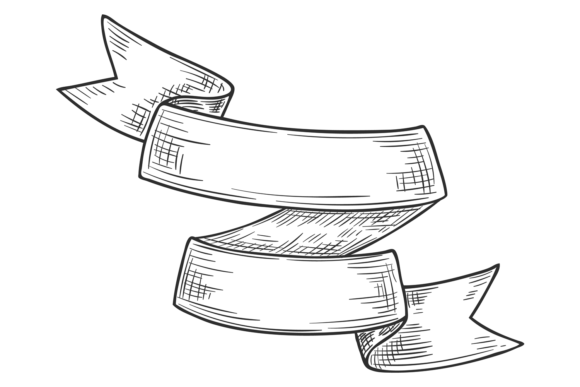
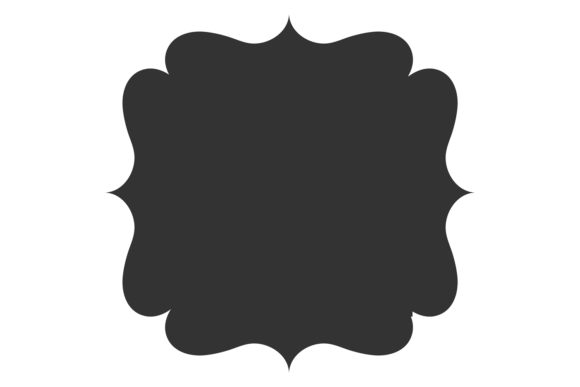
I've been designing and reviewing embroidery assets for years, and I'll be honest — when I first opened Black Shape. Blank Retro Label. Decorati, I felt that quiet spark of recognition. This is one of those Graphics that doesn't scream for attention. It sits there, confidently simple, and lets your brain fill in the possibilities. It's a black shape, a blank retro label, a decorative badge isolated on a clean white background. No clutter, no distractions. For an embroidery designer, that kind of restraint is gold.
What I see here is a foundational piece. The silhouette carries a vintage badge energy — slightly rounded corners, a hint of old-school signage, the kind of shape you'd find on a 1950s workwear patch or a heritage brand label. The fact that it's blank is exactly what makes it useful. You're not stuck with someone else's typography or a pre-made slogan that doesn't fit your client's voice. You get the bones, and you build the rest.
The Retro Mood That Actually Works for Embroidery
Retro design trends come and go, but the badge-and-label aesthetic has real staying power in the handmade product world. Black Shape. Blank Retro Label. Decorati taps into that without feeling like a trend-chasing knockoff. The shape has a slightly uneven, organic quality that reads as hand-drawn rather than mechanically perfect. That matters because when you convert this into a machine embroidery design, those subtle irregularities translate into character. Perfectly symmetrical shapes can sometimes look stiff after stitching. A little natural wobble in the outline gives the finished product a softer, more human feel.
I could see this working beautifully as an applique design base. The solid black fill area would stitch out cleanly with a satin stitch border, and the blank interior gives you room to add custom lettering, a small graphic, or even a secondary fabric piece. The mood leans vintage but stays versatile — you could push it toward industrial, rustic, whimsical, or minimalist depending on what you place inside the label.
Where This Design Naturally Belongs
As I mentally test Black Shape. Blank Retro Label. Decorati against my usual project list, several clear matches come up. This isn't a delicate, highly detailed Illustrations piece that needs a massive hoop and perfect conditions. It's a workhorse shape that fits into everyday handmade products without overcomplicating the stitching process.
Here's where I'd feel confident using it:
- Custom apparel — sweatshirts, t-shirts, and denim jackets where a bold badge shape adds structure
- Embroidered patches — the black outline creates a natural border for a patch shape
- Tote bag design — a clean label area on canvas or cotton totes gives a boutique feel
- Aprons and kitchen textiles — that retro badge works perfectly on a baker's apron or tea towel
- Caps and hats — the compact badge shape fits well on front panels without excessive curvature issues
- Baby embroidery — a soft, rounded label shape for a name or birth detail on a onesie or blanket
- Pillow covers and home decor — a decorative badge that anchors a design on linen or cotton
- Holiday gifts — personalized labels on stockings, gift bags, or seasonal decor
The common thread here is that Black Shape. Blank Retro Label. Decorati acts as a container. It frames whatever you put inside it, which instantly elevates a simple name or monogram into something that looks intentional and designed.
A Real Project Scenario: The Custom Tote Bag Order
Let me walk you through a real-life situation where this design would prove its worth. Imagine a small business owner — let's call her Maya — who runs a handmade gift shop on Etsy. She gets a bulk order for 30 personalized tote bags, each with a different name, for a wedding party. The client wants something that looks cohesive but not mass-produced. Maya needs a design element that ties all 30 bags together visually, regardless of the name length or style variations.
This is where Black Shape. Blank Retro Label. Decorati becomes the solution. She digitizes the badge shape as a consistent outer frame, stitches it in black thread on natural canvas totes, and then places each guest's name inside the blank label area. Every bag shares the same retro badge silhouette, but the personalization makes each one feel special. The black shape creates contrast against the light fabric, and the blank interior gives her flexibility without forcing her to redesign the wheel for every name.
From a production standpoint, the solid black fill area stitches efficiently. There's no intricate fill stitch pattern that would slow down her machine or create unnecessary stitch density problems. The outline is clean, and the interior space is generous enough for short or long names. Maya can batch-produce the badge portion, then swap out the lettering files for each bag. That's practical embroidery thinking, and Black Shape. Blank Retro Label. Decorati supports it beautifully.
How the Design Affects Product Value and Customer Trust
I've learned over the years that buyers respond to structure. When a handmade product features a well-placed badge or label shape, it signals that the maker thought about presentation. Black Shape. Blank Retro Label. Decorati adds that layer of polish without demanding complex multi-color stitching or tedious detail work. The black-on-white contrast in the original Graphics file translates well into thread — black thread on light fabric is one of the most reliable combinations in machine embroidery.
This design also helps with brand consistency. If you're a small shop owner selling across multiple product categories, using the same retro label shape on your packaging mockups, your product photos, and your actual stitched items creates a visual thread that customers recognize. The printable mockup potential is strong here too — you can use the provided EPS, JPG, SVG, or transparent PNG files to create digital product previews before you ever stitch a single item.
For Etsy sellers and craft business owners, that kind of asset versatility is practical. You can use the same design in your listing photos as a digital embroidery file preview, on your physical products, and even on your packaging inserts. The transparent PNG format makes it easy to layer onto mockup photos without awkward white boxes.
Where You Should Pause and Test Carefully
No design is universally perfect, and Black Shape. Blank Retro Label. Decorati has a few practical considerations worth noting before you commit to a large production run. I always recommend testing first — not because I distrust the design, but because embroidery is a physical process with real variables.
Pay attention to these areas:
- Small hoop sizes — if you scale the badge down too much for a 4x4 hoop, the interior blank space shrinks and may limit what you can place inside it
- Textured fabrics — terry cloth, fleece, and chunky knits can distort the clean edges of the badge shape; use a topper or test on scrap fabric first
- Stretchy fabric — on t-shirts or baby onesies, the solid fill area needs proper stabilizer to prevent puckering around the badge outline
- Dark fabric — since the original design is black, stitching black thread on a dark garment will lose contrast; you may need to invert the colors or use a different thread for visibility
- Curved surfaces like caps — the badge shape is relatively flat, so hooping on a cap frame requires careful placement to avoid warping the edges
- Frequent washing — if the finished product will be washed often, check the stitch density on the fill area; overly dense stitching on a patch can become stiff and uncomfortable over time
These aren't dealbreakers at all. They're just the realities of working with any embroidery file that has a solid shape component. The key is testing on your actual fabric with your actual thread before you stitch 30 units for a client order.
Thread Color Choices and Contrast Decisions
Since Black Shape. Blank Retro Label. Decorati arrives as a black shape on white, your first instinct might be to match that exactly. Black thread on white or cream fabric is a classic choice and almost always looks crisp. But don't let the original color lock you in. I've stitched similar badge shapes in navy, charcoal, olive green, and even metallic gold thread, and the results were equally strong. The shape itself carries the retro personality — the color is your creative decision.
If you're placing this on a sweatshirt embroidery project, consider using a slightly softer thread color like dark gray instead of pure black. It can feel more integrated with the garment's texture. For baby embroidery on pastel onesies, a dark navy or chocolate brown might feel warmer and more appropriate than stark black. These are small judgment calls that separate a good finished product from a great one.
I also recommend testing the design in black and white mockups before committing to thread colors. The original Illustrations file gives you a clear preview, but seeing it on a photo of your actual product helps catch contrast issues early.
Practical Embroidery Designer Notes
Here's the honest, from-the-trenches advice I'd give any maker who's about to use Black Shape. Blank Retro Label. Decorati in a real project:
- Test on scrap fabric first — always. No exceptions. The design will behave differently on canvas versus jersey versus denim.
- Check thread color contrast — hold the thread spool against the actual fabric under natural light, not just on screen.
- Review stitch density — if you're digitizing this yourself, keep the fill stitch density reasonable for the fabric type. Overly dense fills on lightweight fabrics cause warping.
- Confirm hoop size — measure the badge dimensions against your available hoops and leave room for the lettering or graphic you'll add inside.
- Inspect small details — the badge shape may have subtle corner details or slight curves that need clean digitizing; don't simplify them out of existence.
- Test on light and dark fabric — the design will read differently on each. Know which version your product needs.
- Use proper stabilizer — for the solid fill area, a medium-weight cutaway stabilizer is usually a safe starting point for woven fabrics.
- Check licensing — before using this in finished products for sale or as part of a digital embroidery file bundle, confirm the license terms with the original source. The file formats provided (EPS, JPG, SVG, transparent PNG) are design assets — you'll need to verify whether commercial use on physical products is permitted.
Who This Design Is Really For
Black Shape. Blank Retro Label. Decorati isn't for everyone, and that's a good thing. It's for the maker who already has a vision and needs a structural element to pull it together. It's for the craft business owner who wants a repeatable badge shape that makes their products look cohesive without feeling cookie-cutter. It's for the Etsy seller who needs a design asset that works across digital mockups and physical products. It's for the creative entrepreneur who understands that sometimes the best design is the one that leaves room for the customer's name, the date, or the inside joke.
If you need a fully finished, ready-to-stitch embroidery file with pre-set colors and lettering already in place, this isn't that. But if you want a blank canvas with strong bones and a retro personality that you can shape to fit your project, Black Shape. Blank Retro Label. Decorati is a quietly confident choice.
Final Stitch Check
I've reviewed hundreds of Graphics and Illustrations over the years, and the ones I come back to are rarely the flashiest. They're the ones that solve a real problem for makers. Black Shape. Blank Retro Label. Decorati solves the problem of how to frame personalized content in a way that looks intentional and professionally designed. It gives you a badge structure that works on a tote bag design, a sweatshirt embroidery project, an embroidered patch, a pillow cover, or a holiday embroidery gift. The blank interior respects your creative freedom, and the retro silhouette adds character without demanding technical perfection from your machine.
For apparel decorators, handmade shop owners, and digital product sellers who want a design asset that transitions smoothly from screen mockup to stitched product, this is a practical pick. Test it on your fabric, choose your thread wisely, and let the shape do the framing while you do the personalizing. That's the kind of partnership between design and maker that leads to products people actually want to buy and keep.